Testing thermal signature reducing covers
on the mountain plateau of Norway
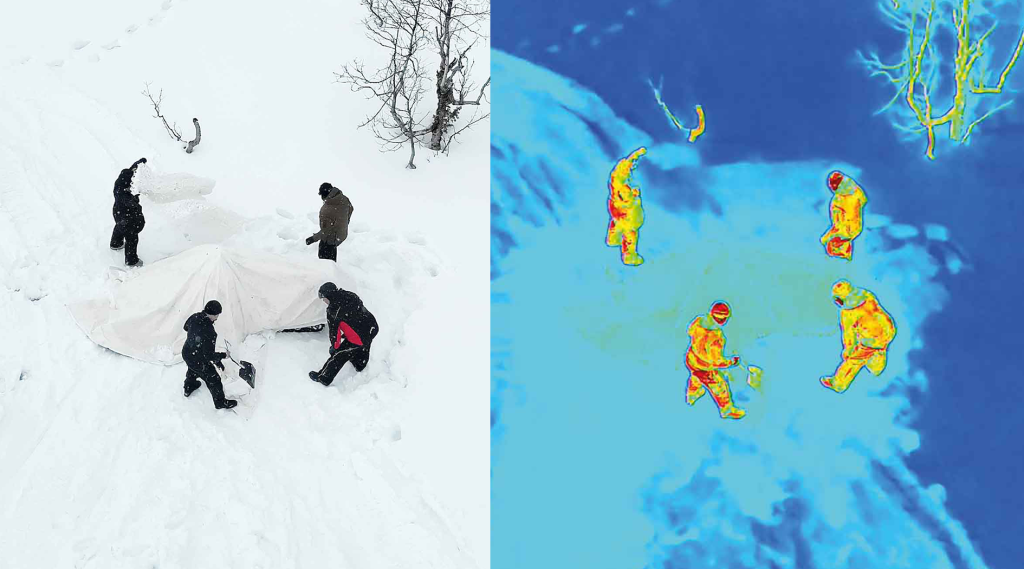
Thermal signatures are fundamentally about making the invisible visible, and the technology will continue to shape the future of surveillance and safety. Everything around us emits invisible energy in the form of infrared radiation.
The pattern of heat an object releases constitutes its thermal signature. While the human eye only perceives visible light, advanced technology can capture these heat differences and convert them into detailed images. This opens the door to a world that would otherwise be hidden in total darkness. Every object has a unique signature based on its temperature and material properties. Living beings, such as humans and animals, generate their own internal heat.
They therefore appear as distinct, warm objects against a colder background. Inanimate objects are largely affected by their surroundings.
A boulder or a car engine will absorb heat from the sun during the day and gradually release it as night falls. The amount of heat a material radiates is called emissivity. Two objects with the exact same temperature can have different thermal signatures because the materials conduct and radiate heat differently.
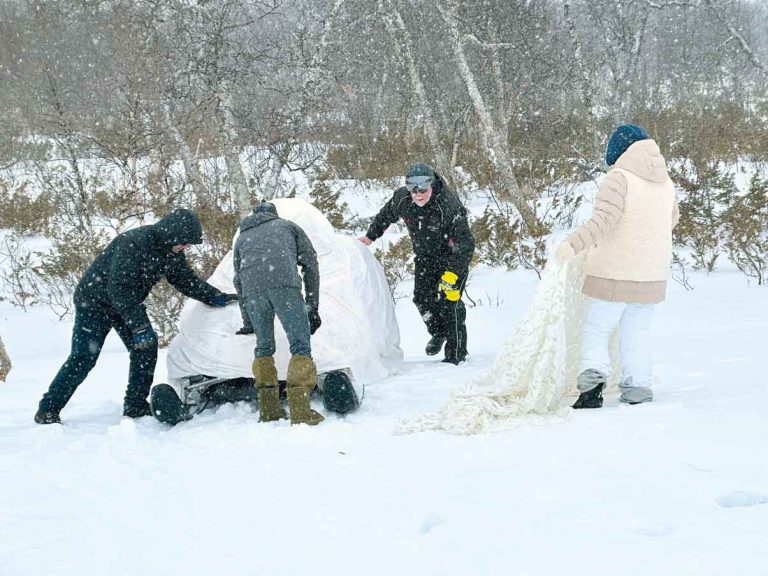
Systematic and methodical conducting of several tests.
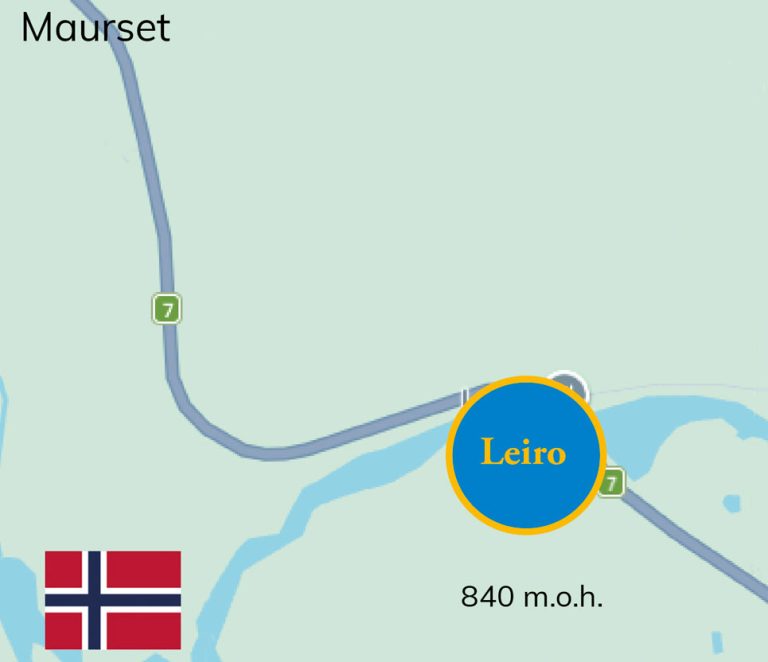
Location: Leiro
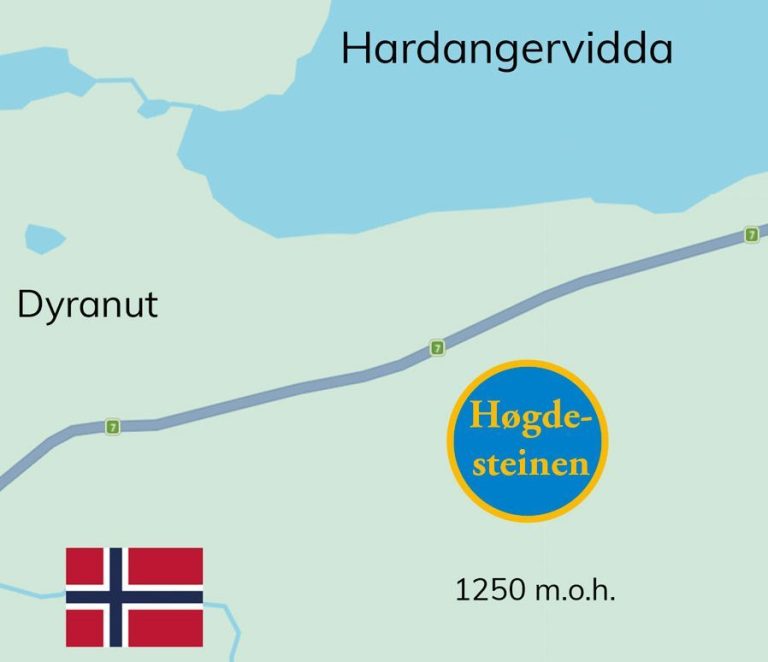
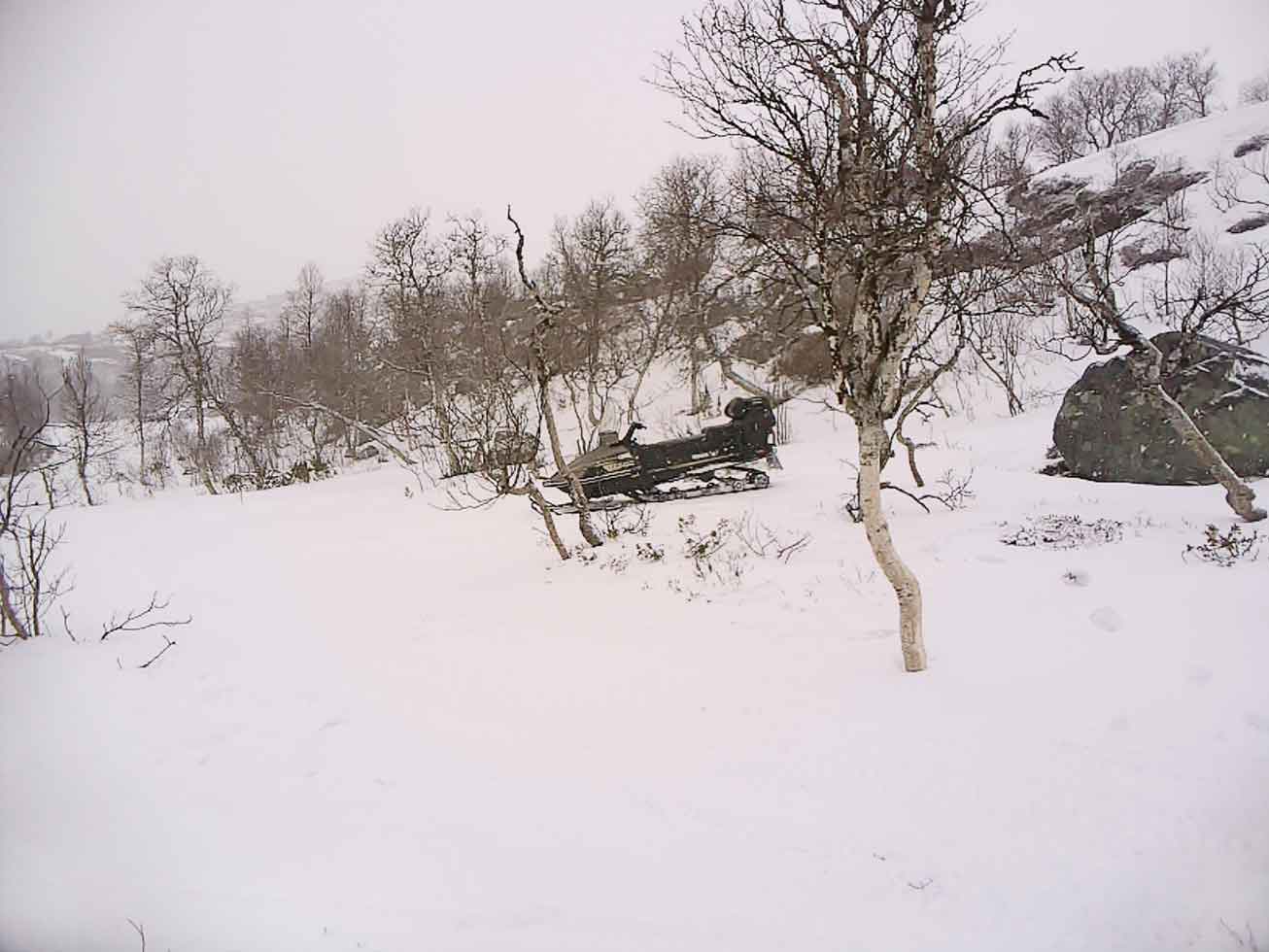
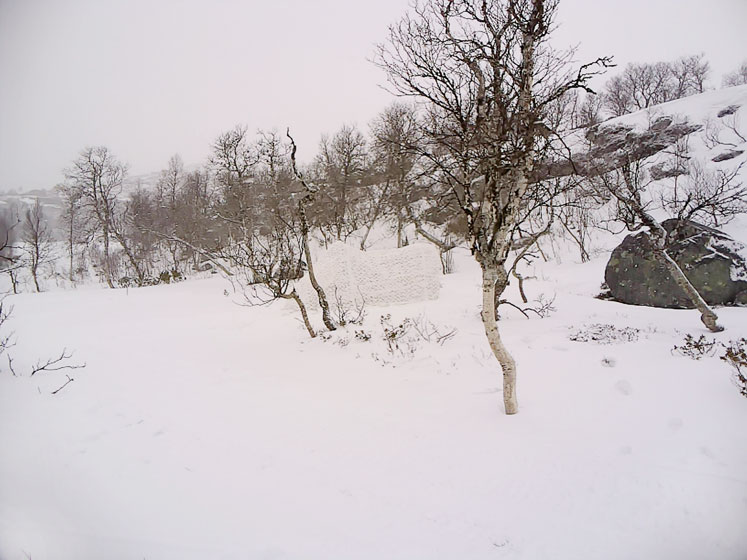
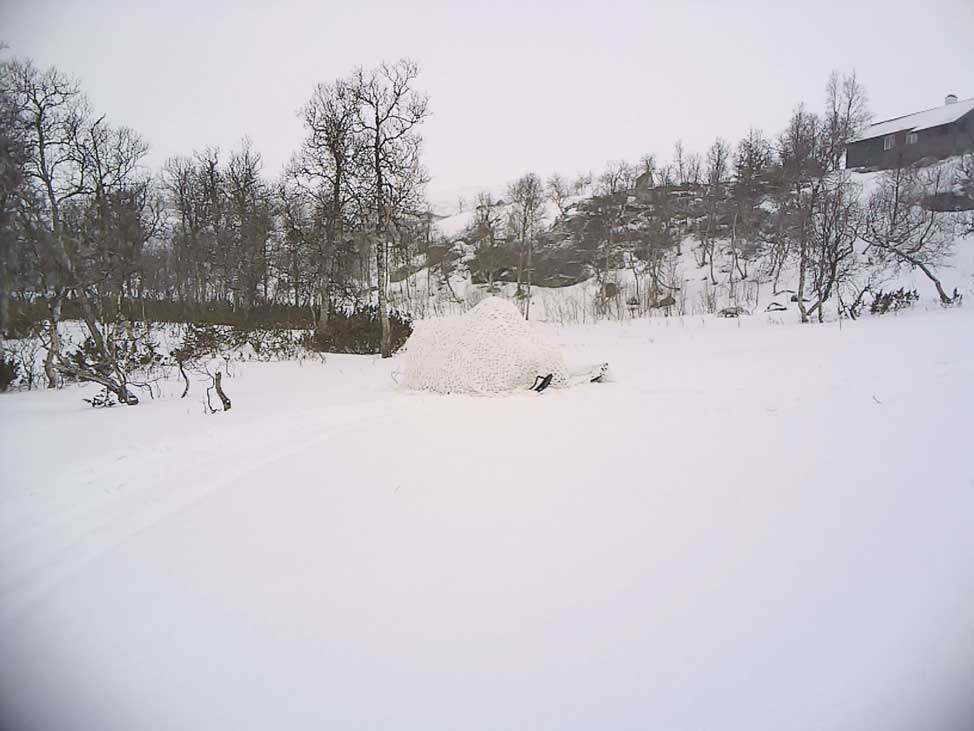
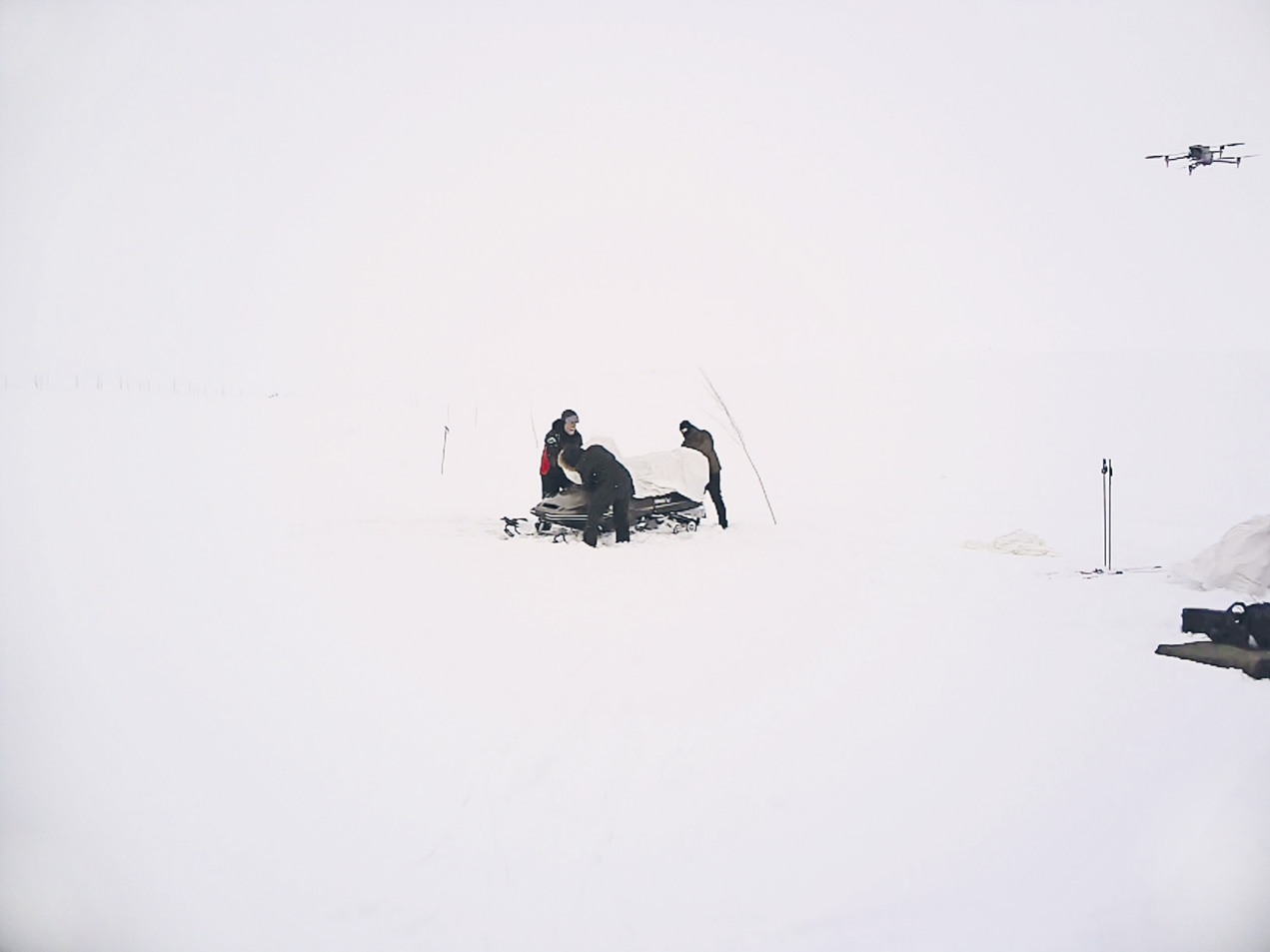
Espelandsfos Defence & Security conducted the tests in slightly hilly mountainous terrain (840 masl) and in open landscapes (1250 masl) in Norway.
The tests are carried out by both Norwegian and Europeen technical crews.
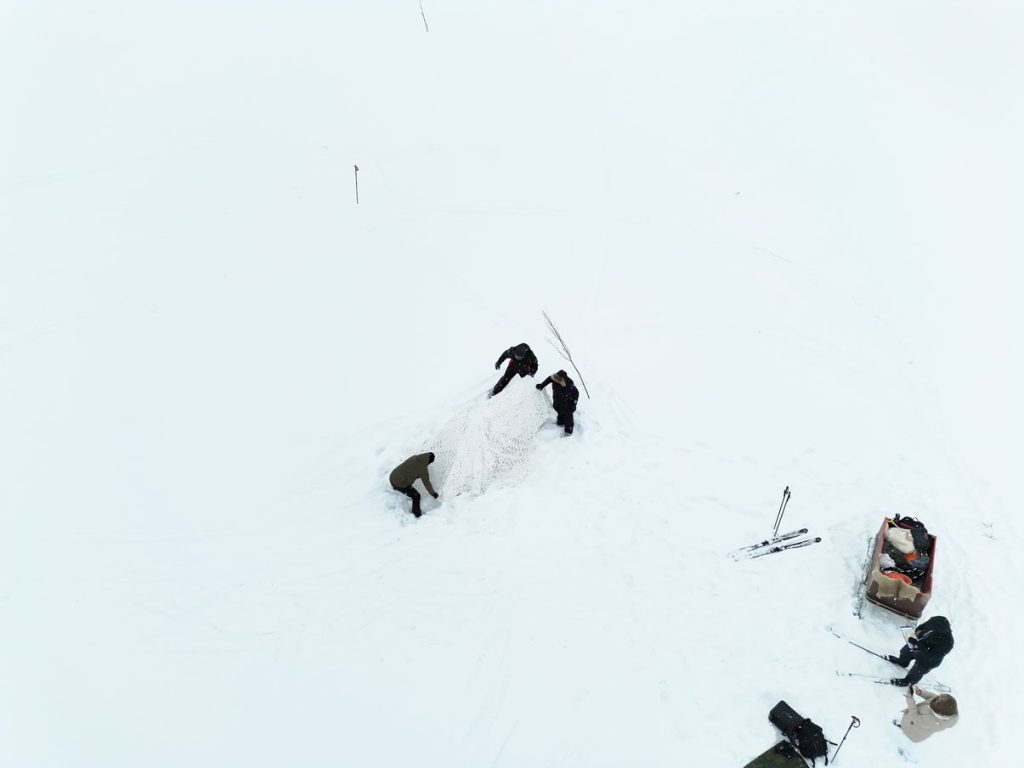
Cold and harsh conditions at Høgdestein, on top of Hardangervidda plateau. The weather conditions are similar to those a winter soldier might encounter.
The Espelandsfos test team works on the largest mountain plateau in Europe, Hardangervidda.
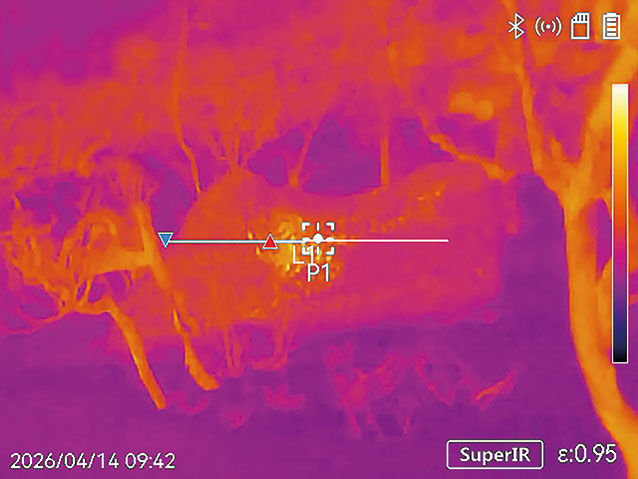
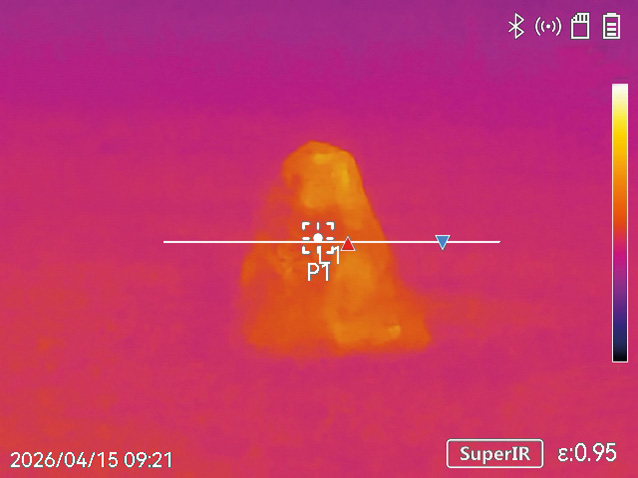
The internal signature
of the covered snow
scooter is now reduced.
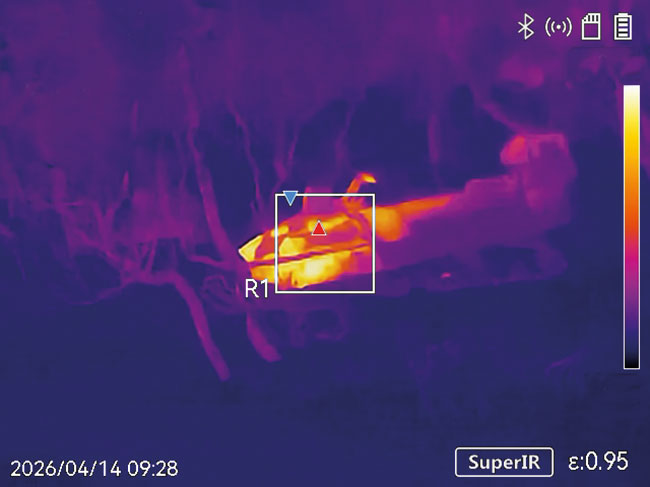
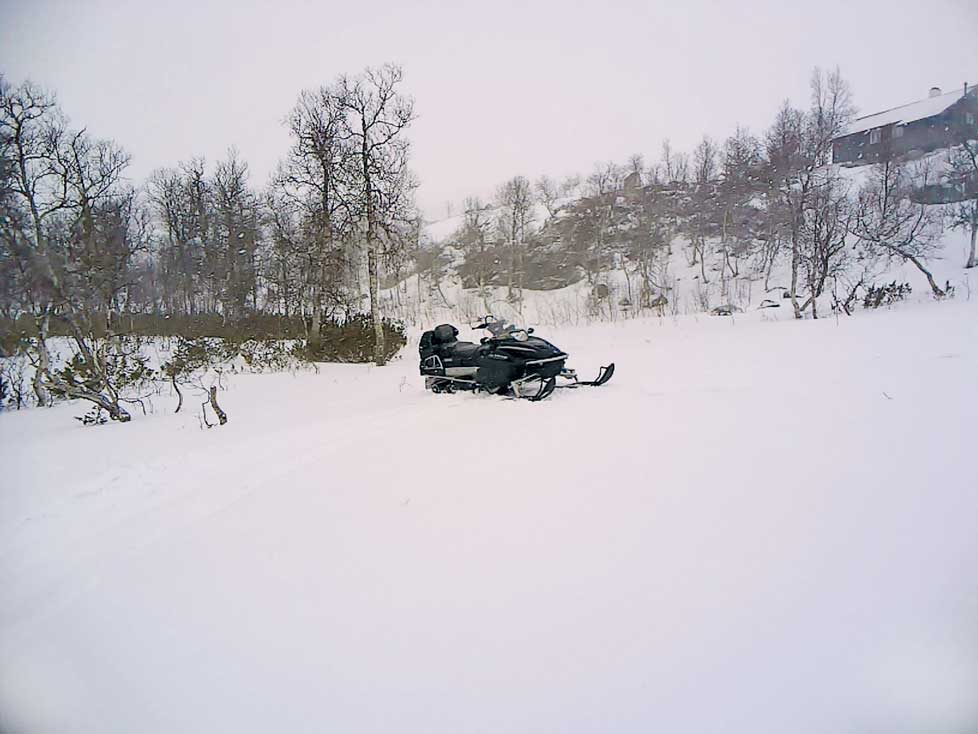
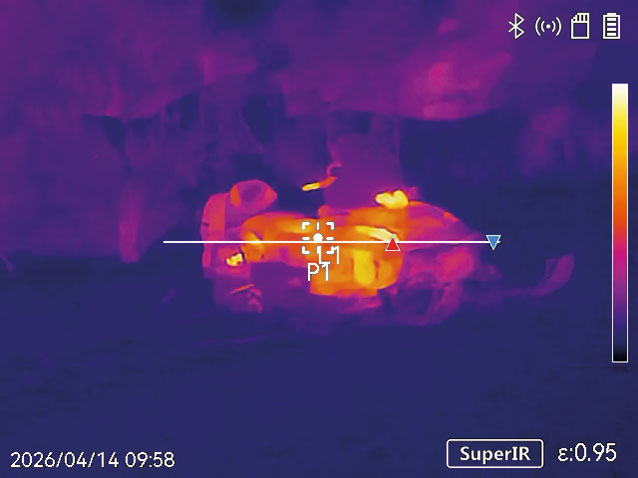
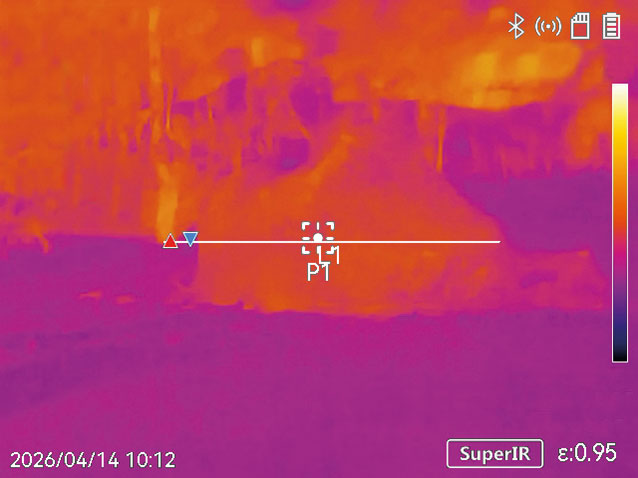
Naked snow scooter
Engine temperature 280 degrees C.
Snow scooter with cover
Blending into the surroundings
Snow scooter 2-stroke
Naked snow scooter
Engine temperature 80 degrees C
Snow scooter with cover
Blending into the surroundings.
Snow scooter 4-stroke
Snow scooter with cover
Engine temperature 280 degrees C.
Snow scooter with cover
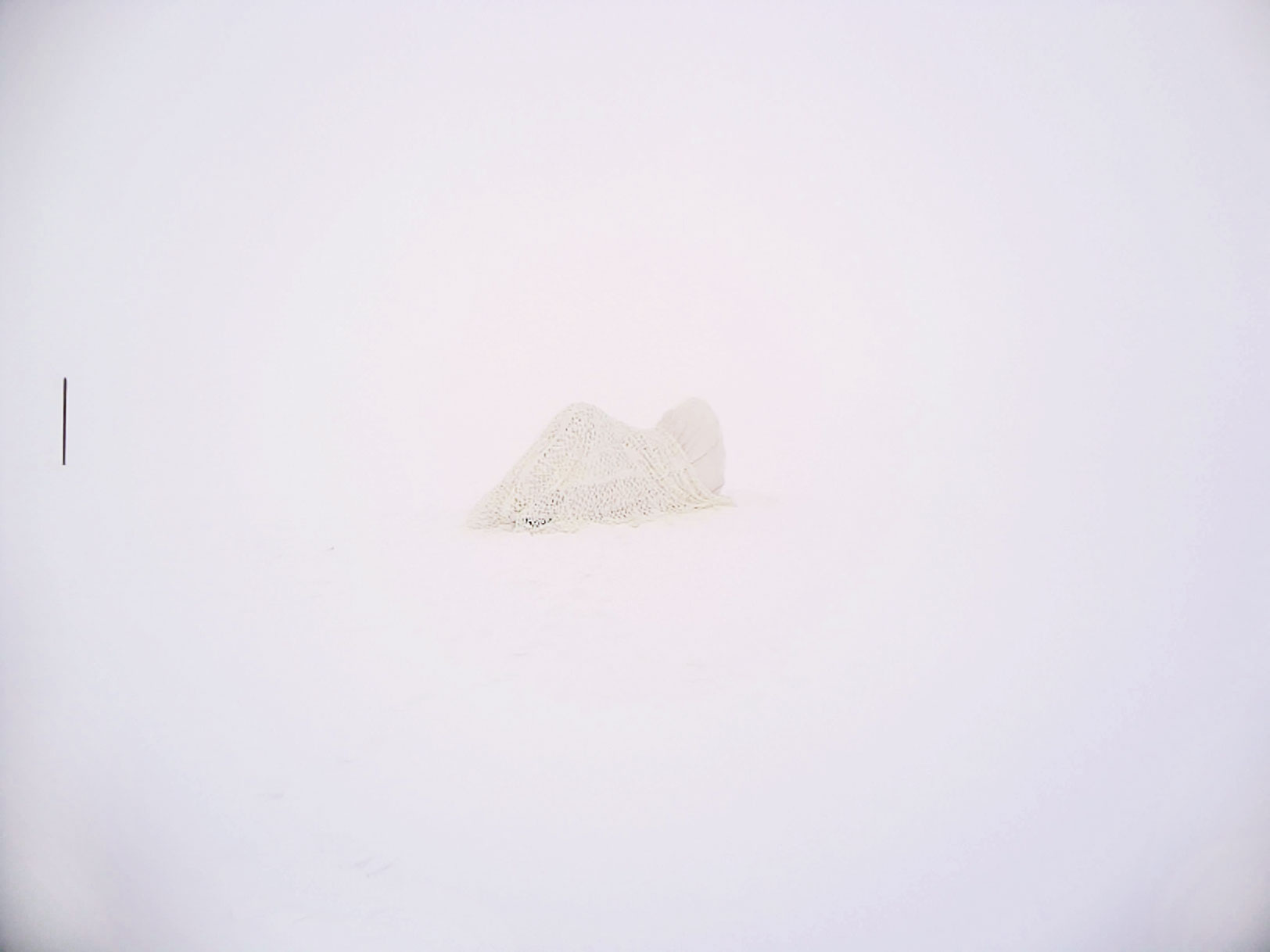
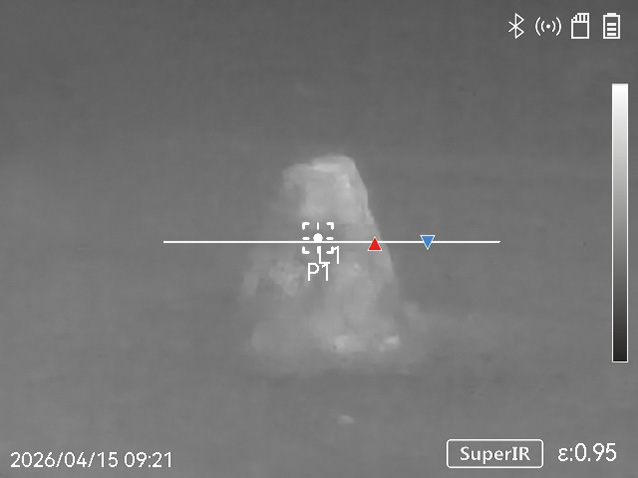
2-stroke snow scooter at 1250 masl.
Snow scooter 2-stroke
Open landscape 1250 masl
Camouflage covers thermal properties
The purpose of thermal camouflage covers is to make the object blend in with the environment. It is however not sufficient for the camouflage cover to shield the thermal emission from the covered object.
The camouflage cover itself must also blend into the environment by changing its signature similar to the environment when the ambient conditions are changing.
These changes can be changes in air temperature and changes in light conditions from night to day or from overcast to clear skies with strong sun light.
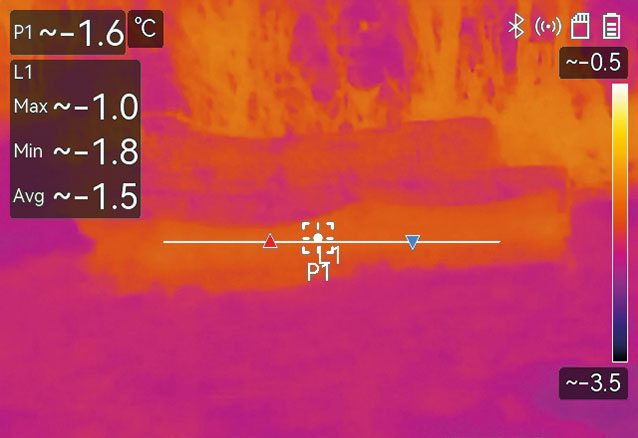
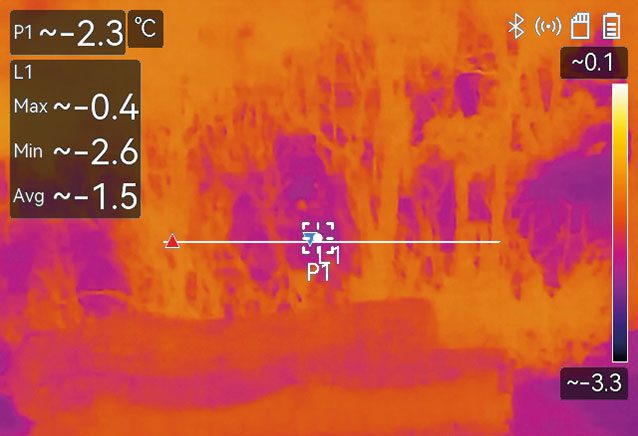
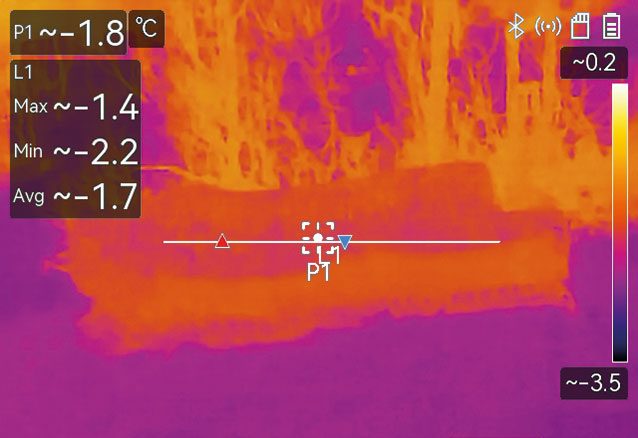
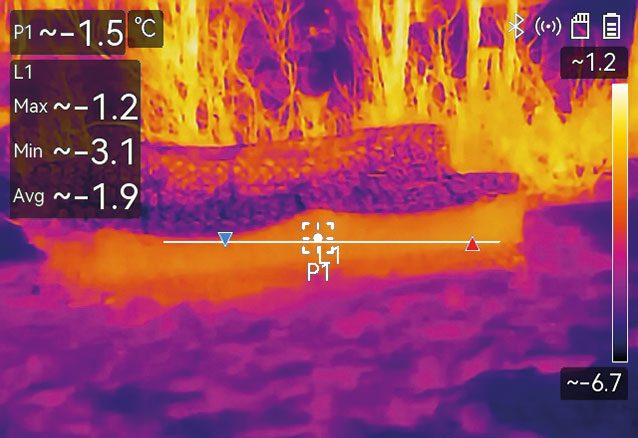
Regular intervals To check the camouflage covers thermal properties, the cover must be set up and left for a longer period with the signature of the cover and the surroundings being recorded at regular intervals.
In the presented test, the camouflage cover was set up in the evening and left outside until the next morning.
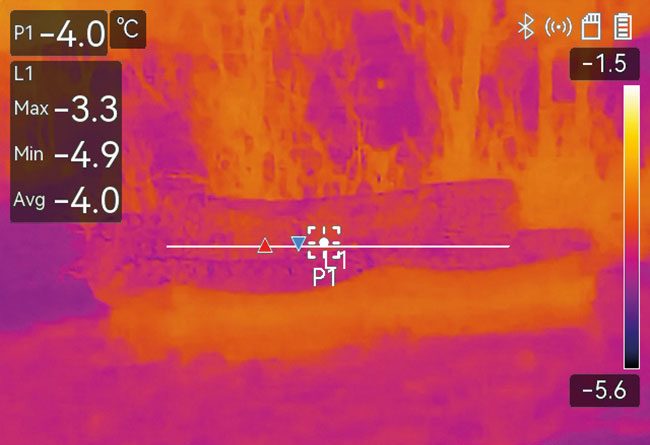
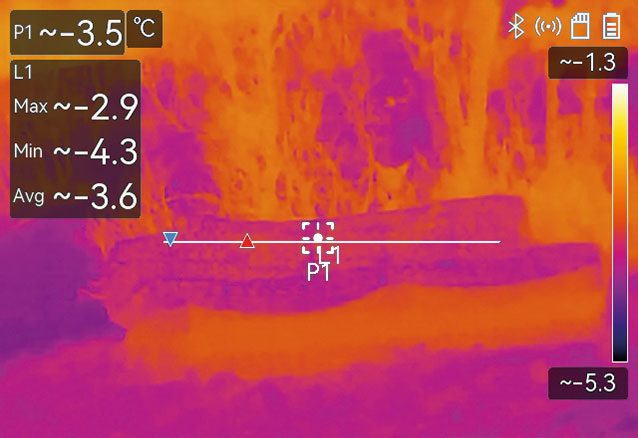
Compare vertical and horizontal parts The recording of the signature was started at 06:00 in the morning, well before sun rise. The last recording was at 08:30, with the sun shining on the camouflage cover. The test gives the possibility to compare the vertical and horizontal parts of the cover with the snow- covered ground and the trees and rocks in the background while the temperature is rising and night turns to day.
06:00
06:30
07:00
07:30
08:00
08:30
The thermal cover is mounted on a stand that displays vertical and horisontal surfaces from 18:00 afternoon to 08:30 past sunrise.
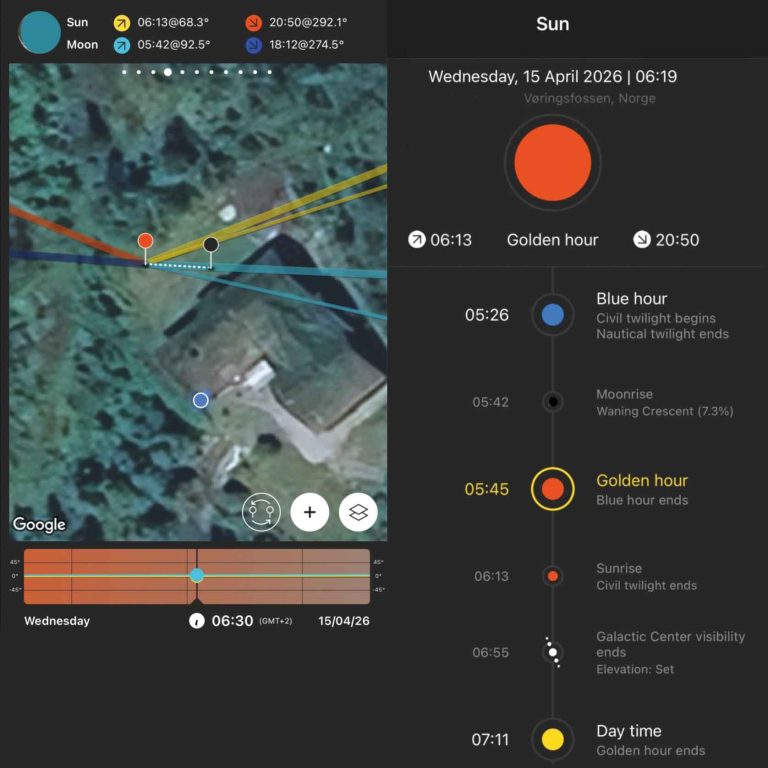
Test location and the sun's direction on the test date at 06:30.